Blog
Blog
Putting yourself out there can open doors you never expected. Through activities outside of my studies, I’ve met talented and like-minded students, received valuable advice from older peers, and connected with employers offering exciting opportunities. Those experiences have been just as important to my development as anything I’ve learned in the classroom.
In this blog, Isi Priestley, undergraduate in Electronics and Electrical Engineering at the University of Glasgow, and UKESF Talent Award Holder, shares her experience about attending the International Space Settlement Design Competition (ISSDC) in Florida, USA, and what she has learned from taking part. ISSDC, is a annual global engineering and business challenge where secondary school students simulate an aerospace industry proposal team.
What excites you most about a career in the Electronics industry?
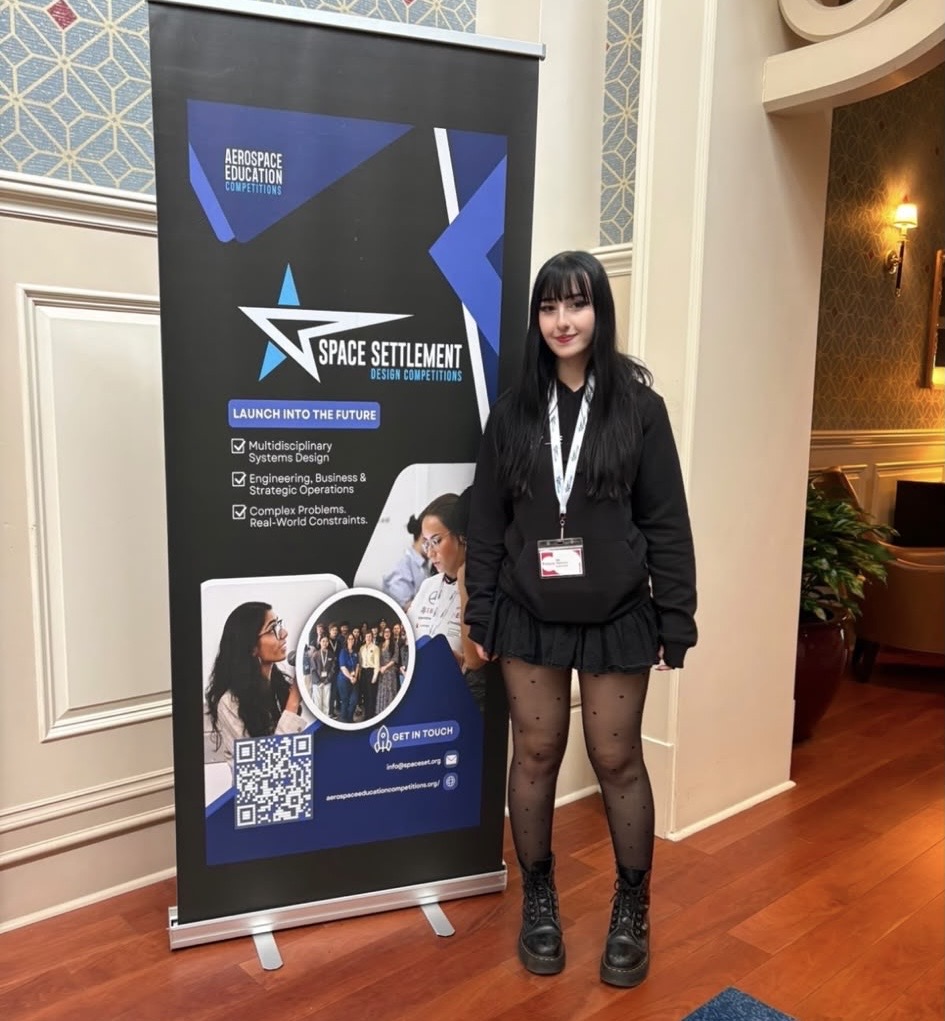
The electronics industry is incredibly diverse and plays a vital role in almost every aspect of modern life. What excites me most is getting to make positive change to the world with something I helped to design. Whether it’s creating technology that makes people’s everyday life easier or developing more energy-efficient devices that help reduce environmental impact, I am excited to be able to contribute to meaningful change.
What first sparked your interest in Electronics and engineering, and what do you enjoy most about your degree?
My interest in electronics and engineering came from my love for being creative when I was a child. As soon as I had access to a computer, I became fascinated with creating games and tools using kid-friendly coding platforms like Scratch. My early curiosity evolved into learning programming as a hobby in secondary school, and eventually to designing my own hardware systems in 6th Form & University.
The aspect I enjoy the most about my degree in EEE is definitely the team project work. It brings together everything from soldering skills and circuit design to programming & problem solving. It’s a great feeling submitting a project you and your team have invested so much time, effort and passion into!
You’ve received UKESF Talent Award 2026! What has been your experience of the programme so far, and how have you benefited from the scheme?
I’m incredibly grateful to UKESF for awarding me the Semiconductor Talent Award. So far, I’ve attended the introductory ceremony, where I had the opportunity to network with professionals from across the electronics industry, meet fellow award holders, and build new friendships.
The event also featured a range of presentations that provided valuable insight into the semiconductor sector and highlighted the wide variety of opportunities available within the industry. It was an excellent introduction to the professional world of electronics.
How did you become involved with the Intergalactic Penguins, and could you tell us a little about the team and their journey to the International Space Settlement Design Competition (ISSDC)?
The Intergalactic Penguins are an independent Space Design Competition (SDC) team formed of aspiring engineers fr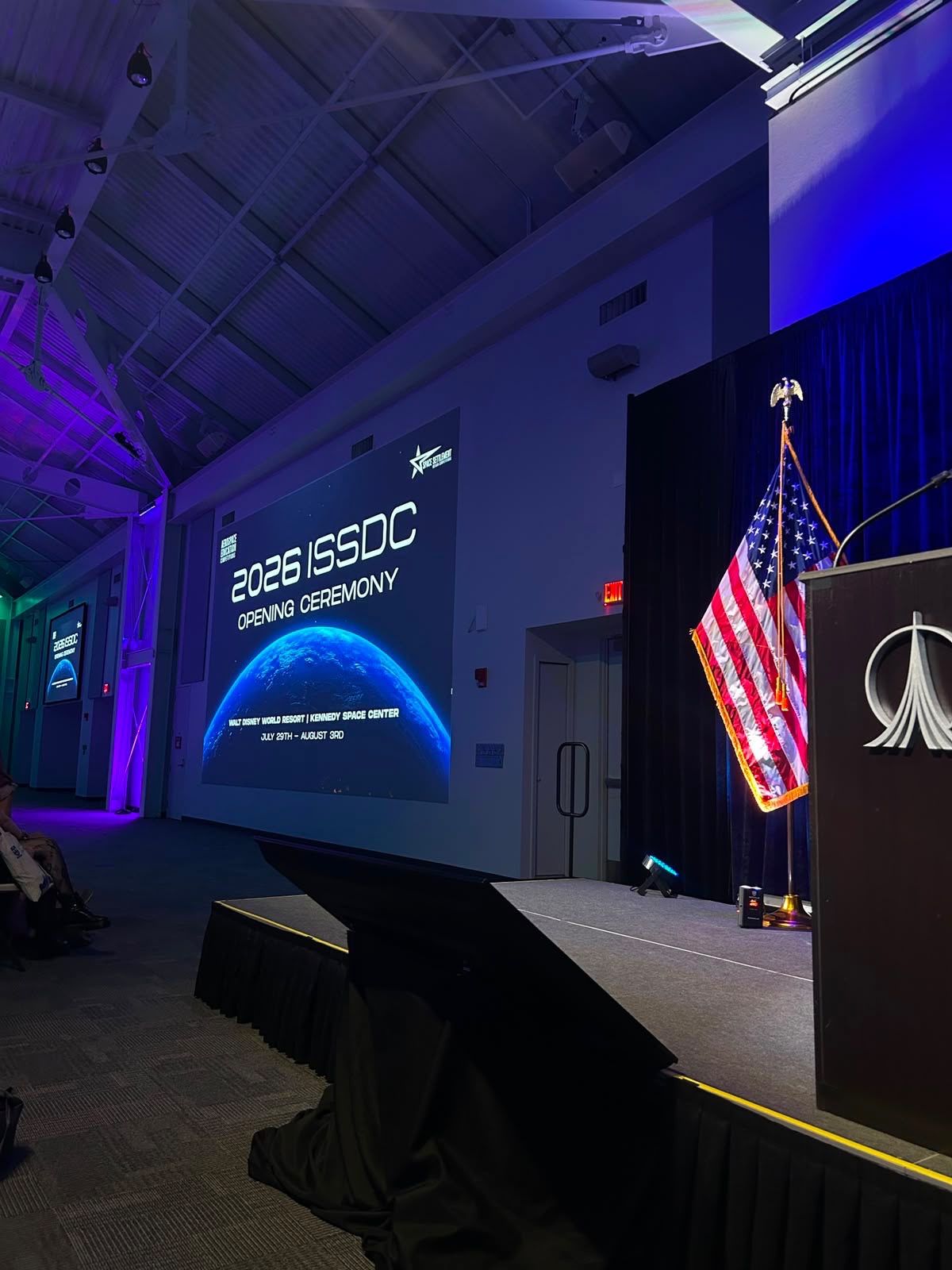 om across the UK & beyond! I was invited to the team by a friend I knew from the UK SDC, and I’m so glad I seized the opportunity!
Me & the penguins came together to participate in the Global AEC Qualifier, an online engineering challenge open to teams around the world. Our task was to design a hypothetical silicon wafer and chip-manufacturing settlement within the atmosphere of Venus. Competing against teams from across the globe, we worked tirelessly to develop and present our proposal. In the end, our submission placed in the top four – earning us a spot in the ISSDC!
What did you do as part of the ISSDC, and what was the most valuable aspect of the experience?
My elected role at ISSDC was Vice President of Engineering. My responsibilities included providing technical guidance, making critical time-sensitive decisions, and ensuring effective communication between departments.
As a result of my efforts, I was honoured to receive the prestigious Anita Gale award for visionary leadership – an award dedicated to the influential NASA engineer & ISSDC co-founder.
For me, the most valuable aspect of the competition was that I got real experience of working in an industry environment. We faced demanding deadlines, collaborated with people from around the world, and tackled complex challenges that often seemed impossible at first. ISSDC gave me invaluable experience, really taught me a great deal about teamwork, leadership and engineering project management.
UKESF was delighted to support the team’s participation in ISSDC. Why do you think opportunities like this are important for inspiring the next generation of engineers?
Without UKESF’s support, I unfortunately would not have been able to attend ISSDC. Opportunities like this are incredibly important because they give students the chance to apply their skills in real-life scenarios, build their confidence, and connect with like-minded people who share their passions.
Experiences such as ISSDC can be genuinely transformative, helping young people such as myself realise what they’re capable of; inspiring them to pursue ambitious goals. That’s why it’s so important that opportunities like these remain accessible to everyone, regardless of their background or circumstances
What advice would you give to another student who’s fascinated to find out more about Electronics, but doesn’t know where to start?
My advice would be to take advantage of every opportunity that comes your way and to engage with electronics beyond your academic studies. Whether it’s joining a club or society, entering a competition or working on personal projects, every experience is crucial. Putting yourself out there can open doors you never expected. Through activities outside of my studies, I’ve met talented and like-minded students, received valuable advice from older peers, and connected with employers offering exciting opportunities. Those experiences have been just as important to my development as anything I’ve learned in the classroom.